Tableegh Department
Introduction
The word Tableegh literally means to convey, announce, or propagate. In the terminology of Shariah, Tableegh refers to learning the teachings and rulings of Islam, practicing them in one's own life, and conveying them to others so that the message of Islam reaches the wider community.
Tableegh can be carried out through various means such as writing, lectures, establishing madrasas and maktabs, organizing khanqahs, conducting Islamic educational programs, and visiting homes to invite people toward the teachings of Islam.
Importance of Tableegh
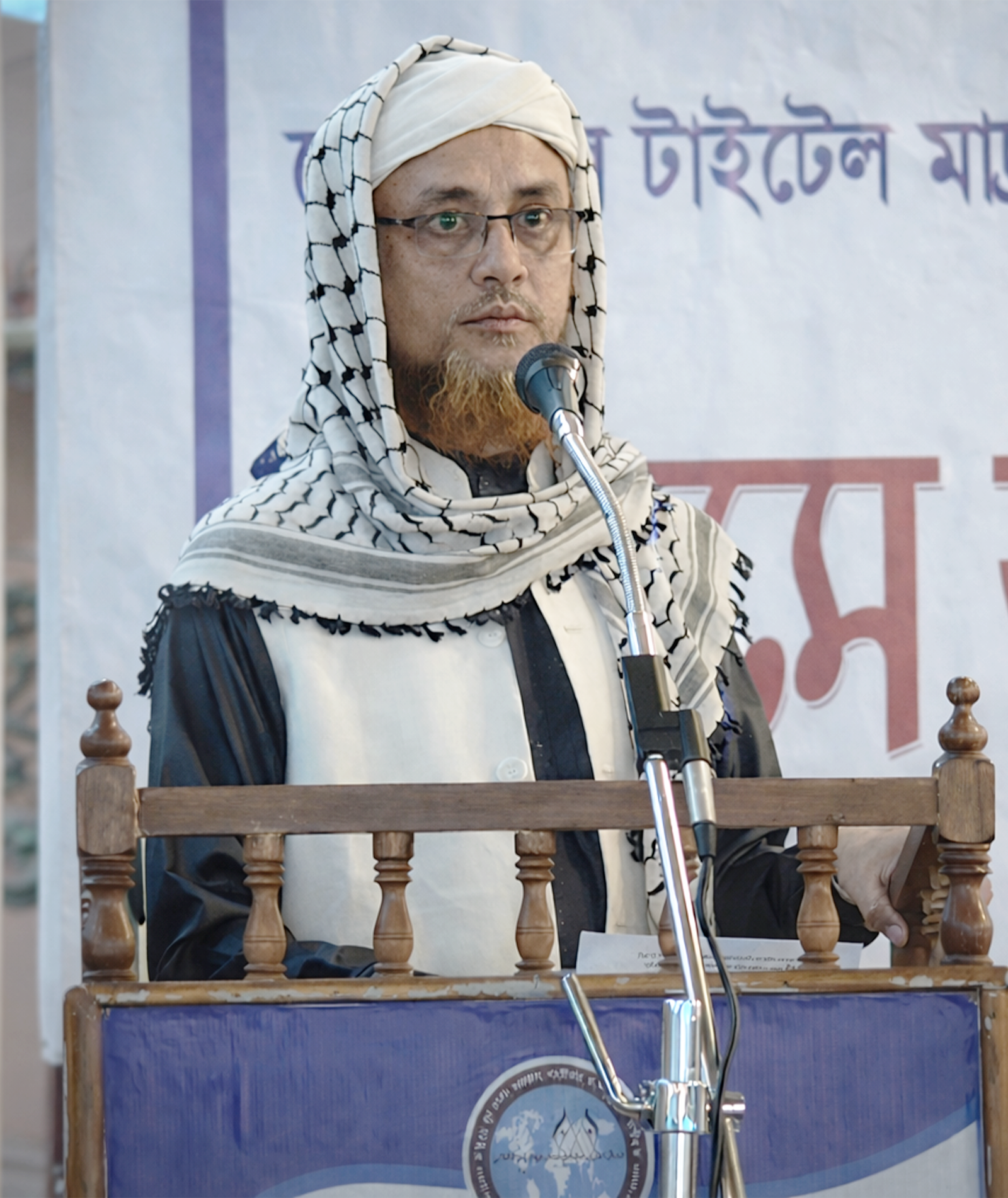
Recognizing the importance of Da'wah and Tableegh, Hazrat Shaikh Maulana Abdul Jalil Choudhury (RA) included Tableegh as one of the important programs of North East India Emarat e Shariah and Nadwatut Tameer. Through this program, the workers of Nadwa visit different mosques across the North Eastern region and provide religious guidance to the Muslim community.
Special attention is given to teaching the essential religious rulings related to Salah (prayer), fasting, Hajj, and Zakat, along with practical instruction on how to perform these acts correctly.
Salah, Fasting, Hajj & Zakat
Teaching essential religious rulings with practical instruction on how to perform these acts correctly.
Sabahi Maktab Education
Encouraging guardians to support and strengthen Islamic primary education for children.
Zikr & Azkar
Explaining the spiritual benefits of remembrance of Allah and its importance in a believer's life.
Sunnah in Daily Life
Guiding people on how to practice the Prophetic traditions and teachings in their everyday lives.
Beginning of the Tableegh Activities
During the early days of Nadwa's establishment, the important work of Tableegh was initiated by the Muhaddith scholars of Al Jamiatul Arabiatul Islamia. They would travel to different villages along with students and conduct Tableegh programs from Maghrib until Isha prayer, delivering lectures and providing religious guidance to the local community.
With the passage of time, the Ulama associated with different regional committees of Nadwa began organizing weekly and fortnightly Tableegh programs in their respective areas.
Structure and Activities
Tableegh programs conducted under the supervision of North East India Emarat e Shariah and Nadwatut Tameer address various aspects of Islamic life. These include discussions on religious rulings, the importance of Sabahi Maktab education, the benefits of Zikr and Azkar, and guidance on practicing Islamic teachings in daily life.
Regional Committee Programs
Each regional committee organizes Tableegh programs within its area, ensuring consistent outreach across North East India.
Monthly Planning Meetings
The place and date of the programs are decided during the monthly meetings of each regional committee.
Assigned Supervision
A responsible person is assigned to supervise the activities of each Tableegh program, ensuring quality and accountability.
Impact of the Tableegh Programs
The Tableegh programs of Nadwa have played a significant role in strengthening the religious awareness of the Muslim community across North East India. Through these efforts, many people have gained a clearer understanding of Islamic teachings and have become more committed to practicing their faith in their daily lives.